A real market model
Price, quality and brand drive an overall product rating per customer segment — across country markets with real demographics. Nothing is hand-waved; students see exactly why they won or lost.
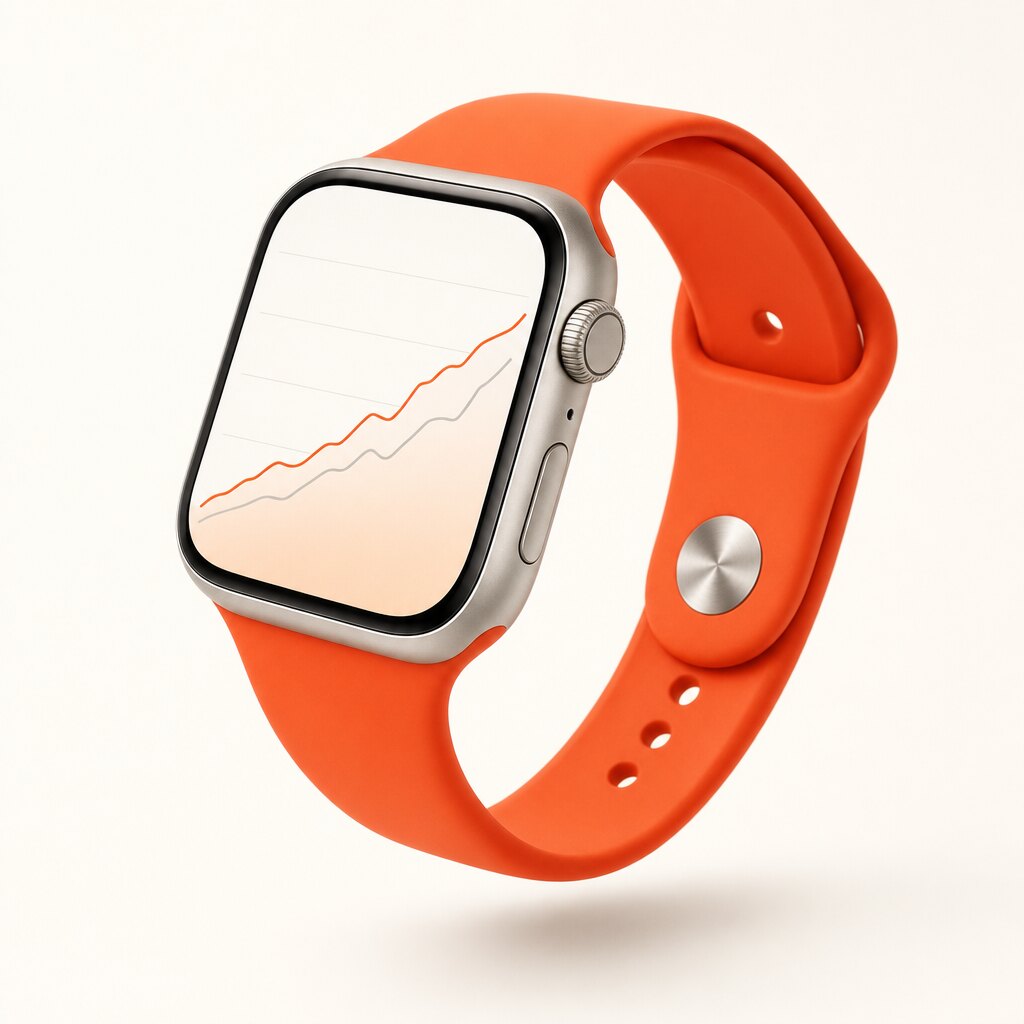
VentureWrist drops your students into a living smart-watch market — design real hardware in 3D, source components across a world supplier map, and compete for 40 country markets. Every decision meets a market response next quarter.
For thirty years we built the deepest business simulations in gaming. Now that engine powers course-ready simulations — with grading, journals, and a class leaderboard built in, and a market your students will genuinely want to beat.
In terms of scope and comprehensiveness, it has no equal.” IGN on Capitalism II — the engine lineage behind every simulation here
Why professors use simulations →A case study ends when the discussion does. In VentureWrist, price cuts provoke rivals, supply choices fail in week nine, and brand investments pay off two quarters late. That loop is where learning happens.
Price, quality and brand drive an overall product rating per customer segment — across country markets with real demographics. Nothing is hand-waved; students see exactly why they won or lost.
Three decades of making business simulation something people play voluntarily. Students design products they can see, in a world that reacts — not a spreadsheet with a submit button.
Every class runs its own seeded market: outcomes differ, history matters, and there is nothing to copy or ask a chatbot. Decision logs and journals give process evidence, not just a final score.
Turn-based quarters resolve into market results. It fits a weekly cadence out of the box — the course kit maps each decision screen to the week you teach that topic.
Students join with your class code, pick a strategy, and start with $20M in seed capital against three AI rivals.
Design, price, marketing, sourcing, distribution, R&D, finance — staged across tabbed screens with “learn why” theory one click away.
The server resolves the quarter: demand by country and segment, rival moves, events, and a balanced-scorecard update. Students write their journal.
Leaderboard, per-student decision logs with journals, quiz results, and a weighted grade — exportable when the term ends.
The same 3D studio your students use — try a band and a case finish below. What they design, they cost, price, and fight for.
Case finishes, band colors, sensor tiers, battery, display quality — students assemble a physical product they can rotate, cost and price. Specs drive the market rating they'll defend later.
A global supplier network with lead times, tariffs and quality trade-offs. The cheap display that saves margin in Q1 shows up as returns in week nine.
Enter a market and incumbents respond. Premium buyers weigh brand and quality; value buyers weigh price — and every segment remembers your last launch.
Rounds, capex, cash-flow stress and a balanced scorecard that remembers every decision. Finance isn't a module — it's the gravity the whole game plays in.
Everything below is the real application against a seeded demo class — no mock-ups, no reconstructions. Watch the short one to decide whether it fits your course, then hand your students the walkthrough and the guide.
A quarter from the inside: design the watch, set the price, choose which markets to enter, then submit and watch the market answer. Ends on the class leaderboard you grade from.
Built around the thing students get wrong — that decisions are staged, not applied — then models and generations, pricing against the segment reference, reaching forty markets, and reading the balanced scorecard.
A written companion to the videos: twenty-seven annotated screenshots covering all fourteen decision screens and the full instructor console, with callouts drawn onto the real interface.
Read the guideEverything instructor-facing was built against one test: does this save you time in week one and defend your grades in week fifteen?
Your account opens onto a demo class with part-played students — leaderboard, grading and review already populated. Five minutes tells you if this fits your course.
Students sign up with your class code. No LMS project, no procurement, no installation — it runs in the browser, and you can reset a stuck student's password yourself.
A weighted grade from the balanced scorecard, knowledge checks, and quarterly strategy journals — with per-student decision logs for grade defense. CSV export included.
They design the watch itself in a 3D studio — case, size, display, sensors, materials — then set price and marketing, pick suppliers and factory capacity, open distribution channels and logistics, fund R&D, and raise capital when they need it. Submitting the quarter sends every decision to the server, which resolves demand country by country and segment by segment, moves the AI rivals, fires events, and returns a scorecard. Each screen carries a “learn why” panel with the theory behind that decision.
About an afternoon. Create a class, share the join code in your syllabus, and use the course kit’s week-by-week plan. The demo class lets you evaluate everything before students arrive.
Each student’s grade is weighted from three sources: their balanced scorecard (70% by default), Academy knowledge checks (15%), and quarterly strategy journals (15%). You can change those weights per class, or override any individual grade. Behind the number sits the evidence: every student’s quarter-by-quarter decision log next to what they wrote about it. Export the whole roster as CSV when the term ends.
Today every student runs their own company against three AI rivals at their own pace — nobody’s grade depends on a teammate. Team play and head-to-head class competition are in development with our pilot instructors.
You set the length when you create the class — anywhere from a few quarters to forty. Sixteen is the default: four simulated years, mapping cleanly onto a semester at one quarter a week, and long enough for R&D, brand and product generations to actually pay off. A short module or an intensive can run eight or fewer. Because the sim is turn-based rather than real-time, students play when it suits them and you control when the next quarter is due.
A browser and your class join code. Nothing to install, no LMS integration project, and no software for your students to buy or license separately. The 3D design studio runs on WebGL, which any laptop from the past decade handles. If someone locks themselves out, you can reset their password from the instructor console without filing an IT ticket.
We onboard a limited cohort of pilot instructors each term. If your students don't love it, you've lost nothing.
A demo instructor account and the course kit are on their way — expect a reply within one business day.